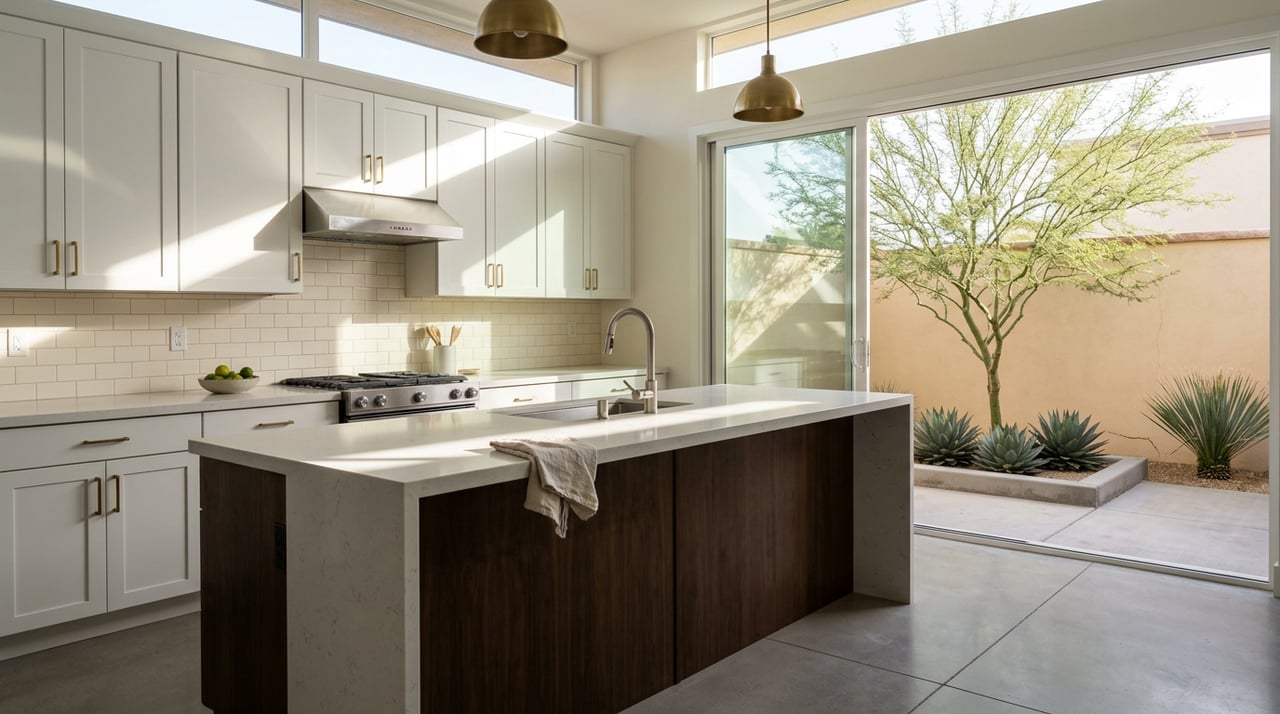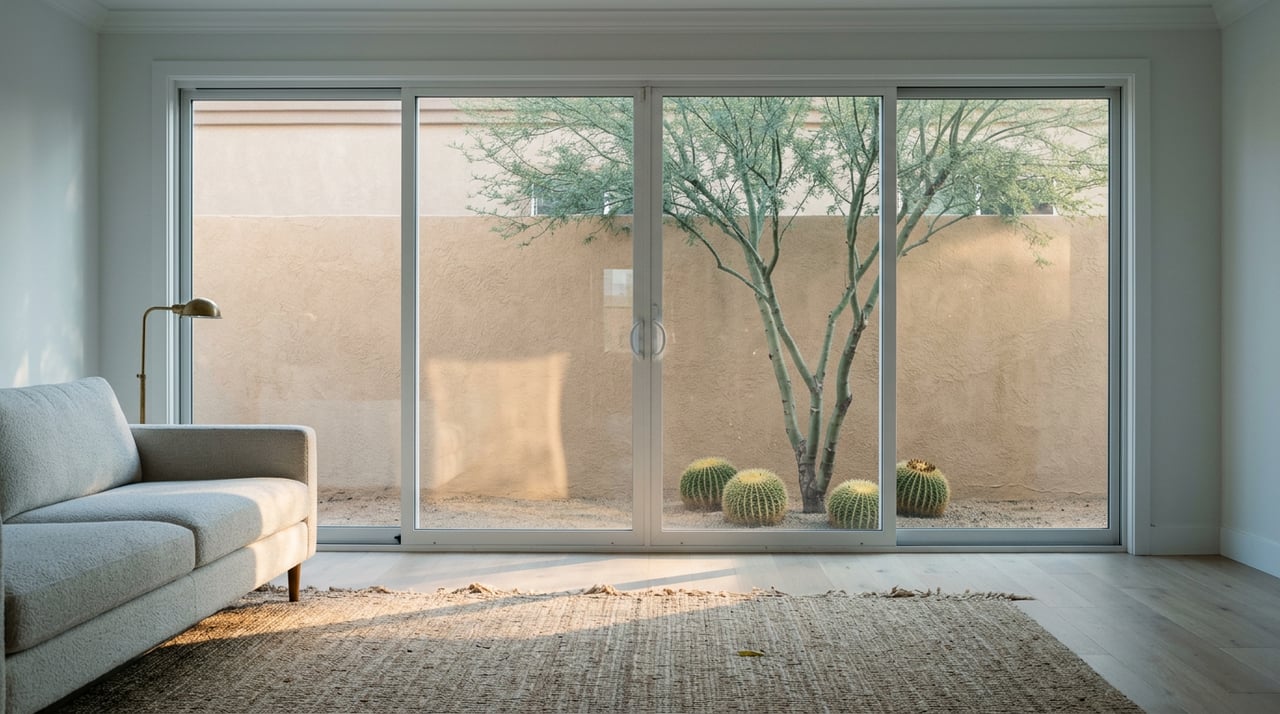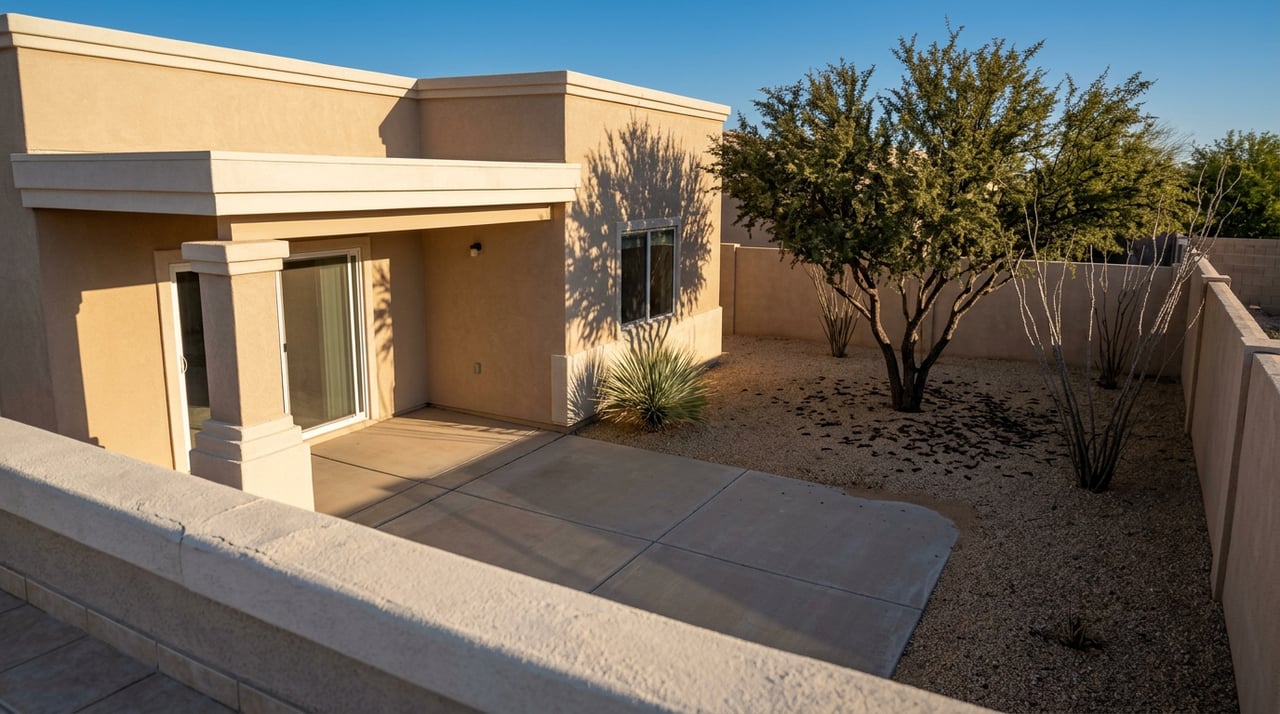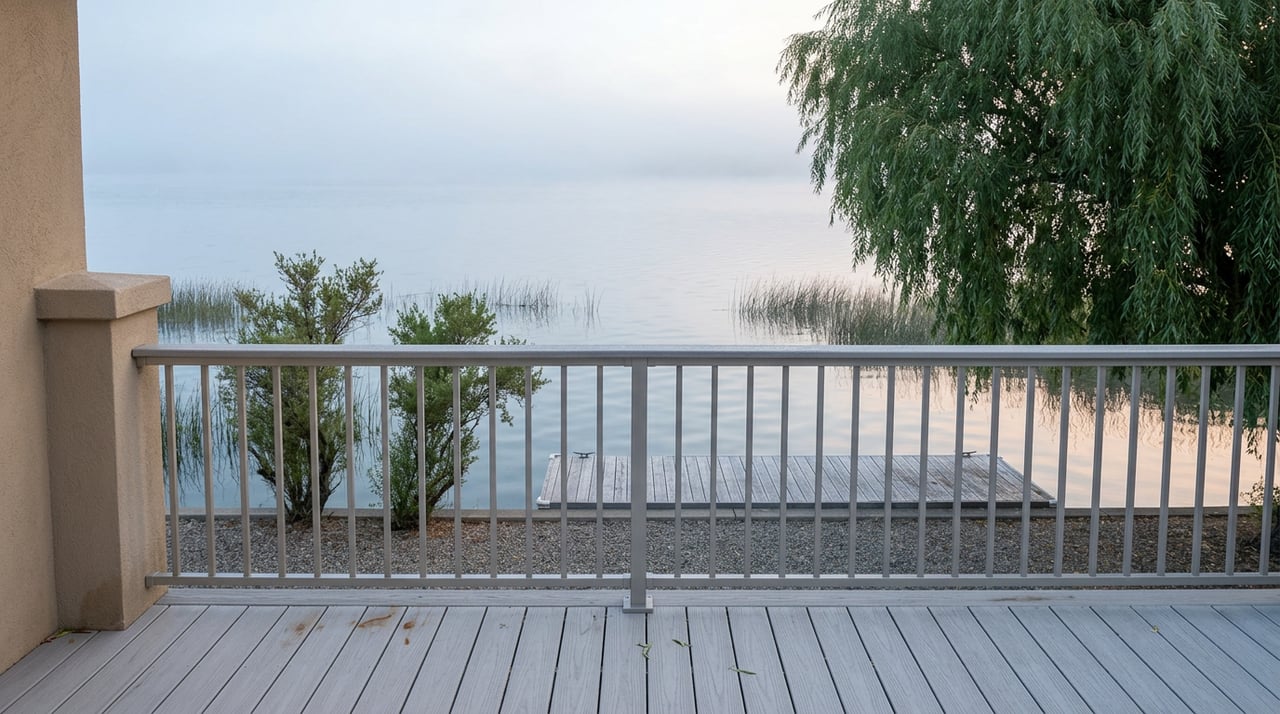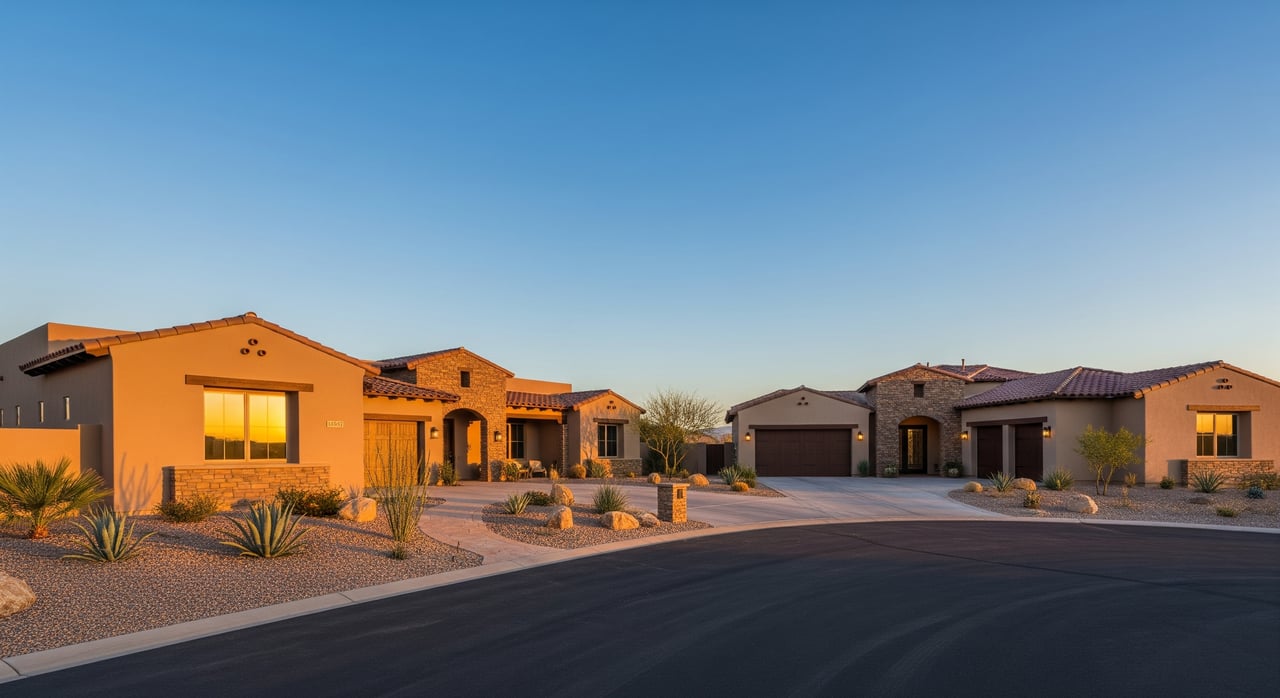
Choosing between a single-story and a two-story home in Rancho Serreno can feel like a big call. Yuma’s heat, HOA rules, and your day-to-day routine all shape what will work best for you. In this guide, you’ll get clear, local insight on comfort, energy use, outdoor space, accessibility, costs, and resale, plus quick checklists you can use during showings. Let’s dive in.
Yuma climate basics
Yuma’s desert climate brings very hot, sunny summers with many days above 100°F, mild winters, and a short monsoon period with brief, intense storms. Cooling is the dominant energy need for homes, and dust and wind make good filtration and tight building envelopes important. The strong sun also makes rooftop solar a high-value option. In Rancho Serreno, smart shading and heat management are essential for comfort.
Comfort and temperature
Heat rises, so in two-story homes the upper floor often runs warmer than the lower floor. Without HVAC zoning or airflow balancing, you may overcool the downstairs just to make upstairs bedrooms comfortable. Single-story layouts typically provide more even temperatures and simpler duct runs. Regardless of story count, watch for west-facing windows that take harsh afternoon sun and ensure the attic is well insulated and ventilated.
Energy and HVAC choices
Cooling drives most energy use in Yuma. High-efficiency central AC, variable-speed compressors, or ductless mini-splits can help manage comfort, especially for upstairs rooms. In two-story homes, prioritize true HVAC zoning with separate thermostats or systems so you are not paying to overcool one level. Seal and insulate ducts, aim to keep ducts out of hot attics when possible, and consider radiant barriers and appropriate attic R-values for hot climates.
Solar potential on both styles
Yuma’s solar resource is excellent, and both single- and two-story homes can benefit. Two-story homes often have less roof area per square foot of living space, while single-story homes can have more spread-out rooflines. Real-world solar output depends on roof orientation, pitch, shading from neighboring homes, and usable roof area, not just the number of stories. If solar is a priority, evaluate the specific rooflines and orientations of the homes you tour.
Lot, orientation, outdoors
Single-story homes typically need a larger footprint, which may reduce yard space on smaller lots. Two-story homes preserve more ground-level area for patios, pools, or play space by stacking living area. In Rancho Serreno, covered patios, courtyards, and late-afternoon shade add real value during long summers. Xeriscaping with drought-tolerant plants also helps reduce water use and cut outdoor maintenance while keeping spaces cooler.
Accessibility and daily living
Single-story living simplifies life if you value easy movement or plan to age in place. You avoid stairs and can add features like zero-step entries, wider doors, curbless showers, and lever handles for safer access. If you prefer a two-story layout, look for a main-level primary suite or plan for future options like a stair lift or a compact residential elevator. Good stair design with sturdy handrails, even lighting, and comfortable treads also reduces risk.
Costs, upkeep, resale
Two-story homes can be more cost-effective per square foot in areas where land is expensive because they use less foundation and roof area for the same interior size. In suburban settings with ample lots, single-story homes are common and can be simpler to condition and maintain. Exterior maintenance is usually easier on a single-story, while two-story painting, window cleaning, and roof work may require pros. Insurance costs depend more on materials, roof condition, and local wind or hail exposure than on whether the home has one or two stories.
Resale often follows local buyer preferences. Some families like the separation of bedrooms and living areas that two stories provide, while many buyers who plan to age in place prefer single-story. For Rancho Serreno and the broader 85364 market, local MLS comps and days on market provide the best read on current demand. Ask for recent comps to see how similar homes are performing by story count.
Rancho Serreno and rules to confirm
Rancho Serreno’s HOA covenants, city or county zoning, and design review can shape what works best for you. Before you buy or plan improvements, confirm setback and lot-coverage limits, approved roofing and exterior materials, and any rules for solar panels or shade structures. Design review can affect timelines for additions or exterior updates, so factor that into your plans.
Buyer walkthrough checklist
Use this list while you tour homes in Rancho Serreno:
- Check for true HVAC zoning or multiple systems in two-story homes. Ask about equipment age and efficiency ratings.
- Inspect attic insulation, duct sealing, and whether ducts are inside conditioned space.
- Note west-facing windows and existing shading strategies like deep overhangs or covered patios.
- Evaluate roof orientation and usable area for potential solar panels.
- Confirm a main-level primary suite if you want future-proof living.
- Review HOA rules, setbacks, lot-coverage limits, and any design review steps.
- Test indoor-outdoor flow to patios or pools and imagine daily use in summer heat.
- Ask about pest history and dust control measures, including filtration and sealing.
Seller prep checklist
Highlight features that fit Yuma’s climate and buyer priorities:
- Showcase energy upgrades: HVAC age and SEER rating, duct sealing, attic insulation, radiant barrier, cool roof, or solar.
- Emphasize comfort features: covered patios, shade trees, xeriscape, and outdoor misting systems if present.
- For two-story homes, note zoning or multi-stage HVAC and any improvements that keep upstairs cooler.
- For accessibility, point out zero-step entries, main-floor primary suites, and bathroom enhancements.
How to decide in Rancho Serreno
Start with your daily routine. If bedroom comfort at night, easy access, and simple maintenance top your list, a single-story might fit you best. If you want more yard space, privacy, or separation between living and sleeping zones, a two-story can deliver. Pair those lifestyle needs with Yuma-specific factors like upstairs cooling, shading, and solar potential. Then confirm HOA and design rules and review current Rancho Serreno comps to see how each option is performing.
Ready for a local walkthrough of pros and cons by address, plus recent comps and HOA guidance? Reach out to Cece Honaker for neighborhood-specific advice and a smooth path to your next home.
FAQs
Operating costs by story count in Yuma
- It depends on the home’s envelope and systems; upstairs cooling can drive costs in two-story plans, while larger roof and wall area can add heat gain in wide single-story layouts.
Solar panels on single vs two-story roofs
- Both work well in Yuma; actual output depends on roof orientation, pitch, shade, and usable area more than the number of stories.
Aging in place considerations
- Single-story is simpler for mobility; for two-story, look for a main-level suite or plan for a future stair lift or compact elevator.
Resale trends in Rancho Serreno
- Demand varies by buyer mix and lot patterns; review recent Rancho Serreno and 85364 comps to see pricing and days on market for each style.