Sun-filled winters, mountain views, and yards built for RVs and shade make Fortuna Foothills a natural fit if you love the desert. Maybe you are relocating for work at MCAS Yuma or Yuma Proving Ground, or you want a winter base with golf and easy highway access. In this guide, you’ll learn how the climate shapes daily life, what homes look like, where people play, and how the winter visitor season changes the rhythm of the area. Let’s dive in.
Where you’ll live
Fortuna Foothills is an unincorporated census-designated place just east of the city of Yuma, set in the Sonoran Desert foothills with quick access to I-8. It functions as a bedroom community for Yuma, Yuma Proving Ground, and MCAS Yuma, so commuting is common. Get the lay of the land in this short overview of the Fortuna Foothills CDP.
The community is largely owner-occupied and skews older. According to the latest QuickFacts, about 45% of residents are 65+, the owner-occupied rate is around 83.6%, median household income is near $60.5k, and the median value of owner-occupied homes is about $199k. You can explore these figures in U.S. Census QuickFacts for Fortuna Foothills.
Climate: what days feel like
Fortuna Foothills has a classic hot-desert climate, which means very mild winters and very hot summers. Winter afternoons are comfortable, with average highs around 71°F in January and 75°F in February. Spring warms fast, and by May, average highs near the mid-90s signal the start of pool season. July and August are the hottest months, with average highs commonly in the 105–109°F range. Check the month-by-month pattern at the Yuma climate averages.
From early July through mid-September, the North American monsoon can bring higher humidity, late-day thunderstorms, gusty winds, and occasional dust. If you plan outdoor time or gardening, it helps to follow local forecasts during this window. Learn more with the National Weather Service monsoon guide.
Pro tip: In summer, most people schedule errands and workouts early in the morning or after sunset, use shade structures, and keep vehicles stocked with water.
Outdoor fun: golf, off-road, and river days
Golf with desert views
Golf is a big part of Foothills life, especially in winter. You’ll find multiple courses nearby, including the full 18 at Las Barrancas, plus Foothills Executive and a Par-3 option for shorter rounds. League play, lessons, and social events make it easy to plug in. See what’s on the calendar at Las Barrancas Golf Course.
Off-road and dunes access
Side-by-sides and dirt bikes are a common sight around local desert tracts near Fortuna Road. For bigger sand adventures, the Imperial Sand Dunes (Glamis) sit a short drive west, drawing riders and campers during cooler months. Get oriented to local terrain and tips from Visit Yuma’s off-road overview. Always review permit rules, ride with a buddy, and watch the weather during monsoon season.
River escapes
The Colorado River corridor is the go-to for boating, kayaking, and fishing. Launch points lie outside the Foothills but are reachable by car. Summer weekends often start early to beat the heat and wind.
RV and winter-visitor rhythm
Yuma County welcomes a large seasonal population each winter. Local estimates often cite roughly 90,000 winter visitors, which boosts restaurants, retail, and service industries across the region. Business hours, tee times, and event calendars often expand in winter, then scale back in summer. See the economic context in the Yuma Chamber’s overview.
RV life is woven into the Foothills. Full-service parks offer amenities, social programming, and winter rates. Popular resorts, like Shangri-La RV Resort, typically book peak-season stays well ahead, with demand rising in fall and peaking December through February.
Homes and neighborhoods: what to expect
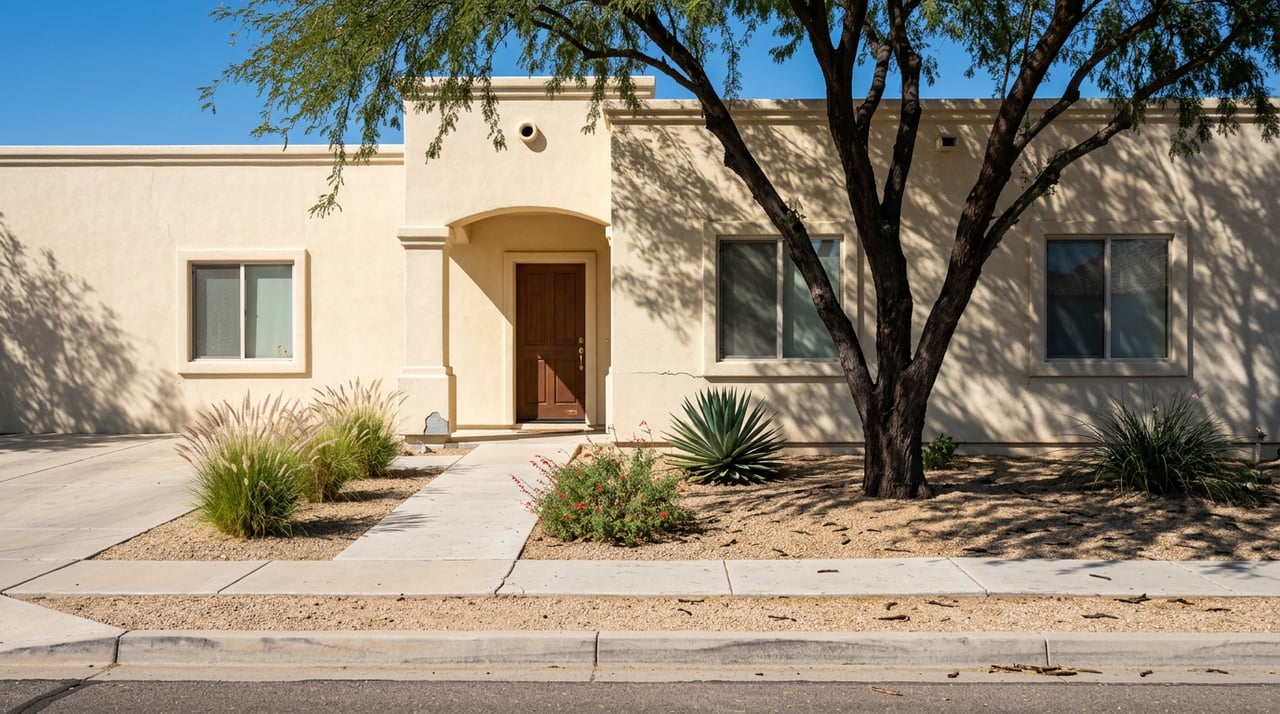
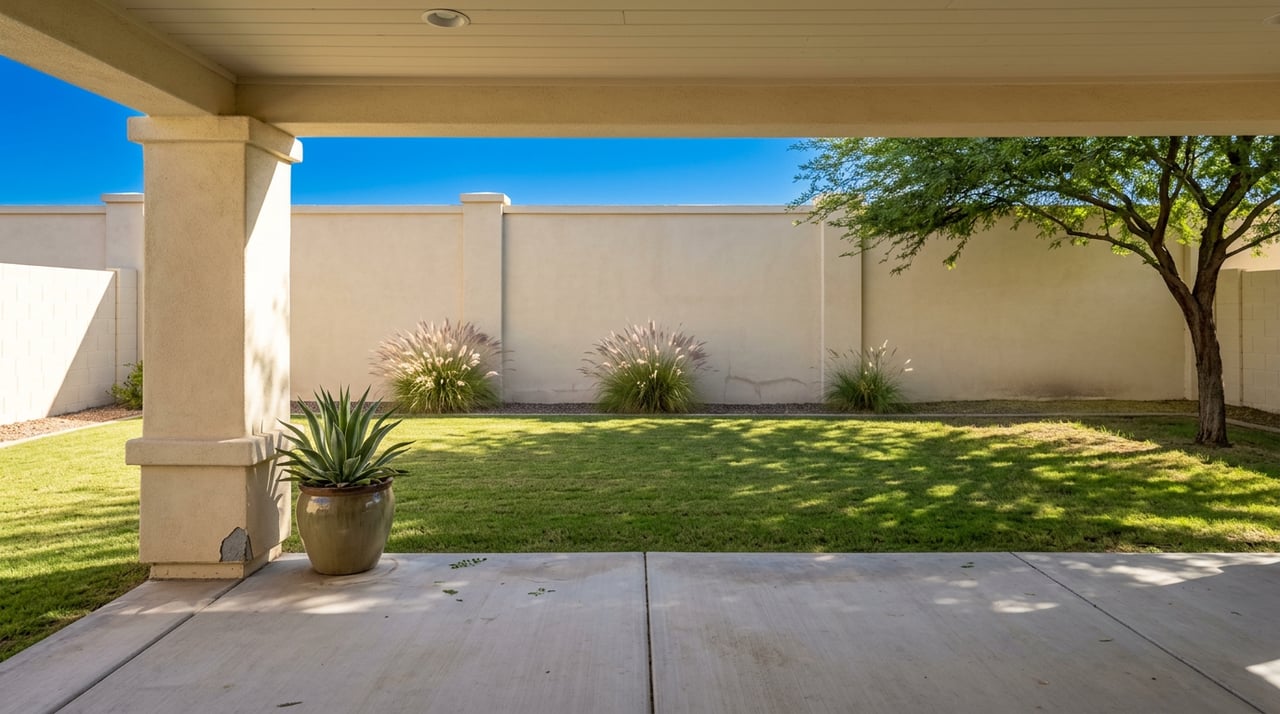
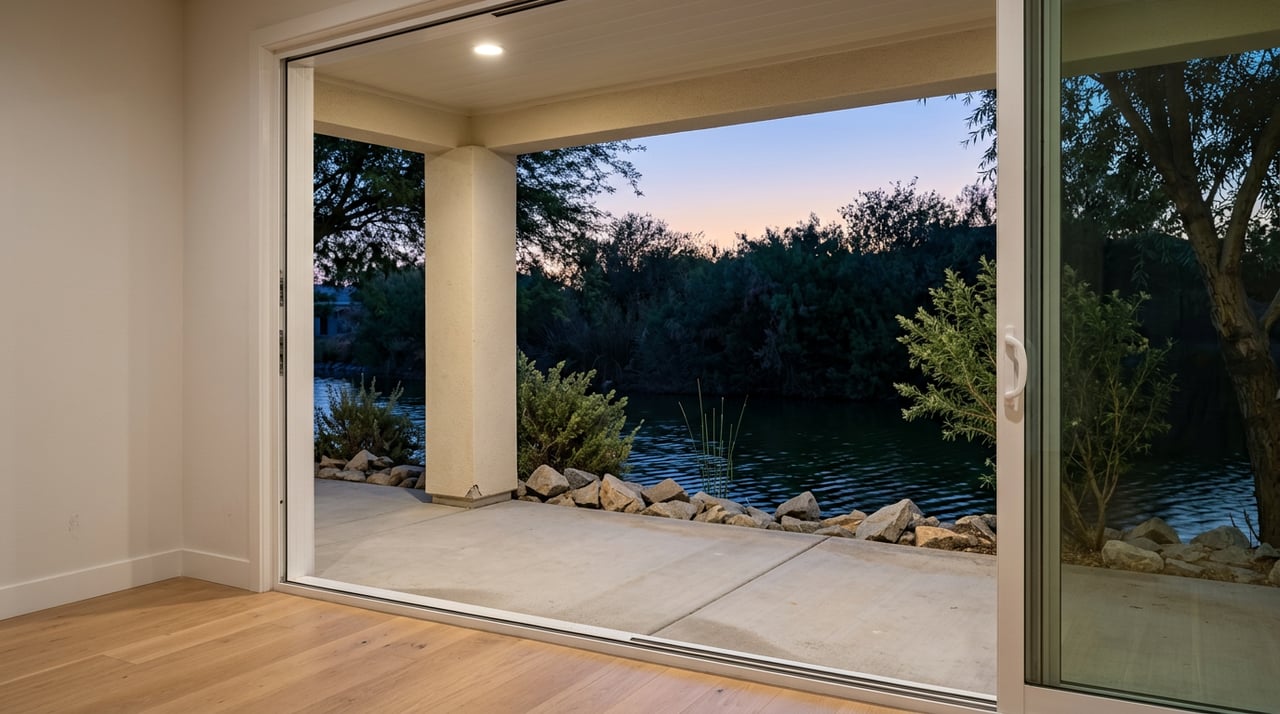
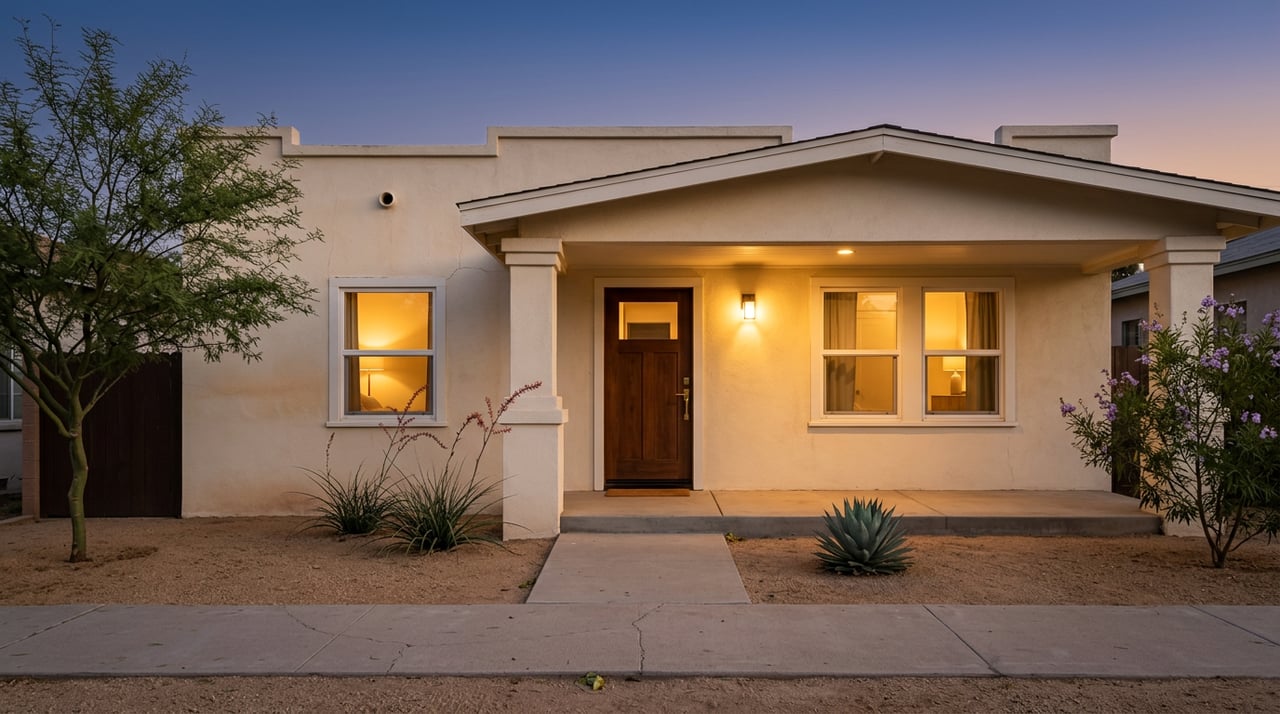
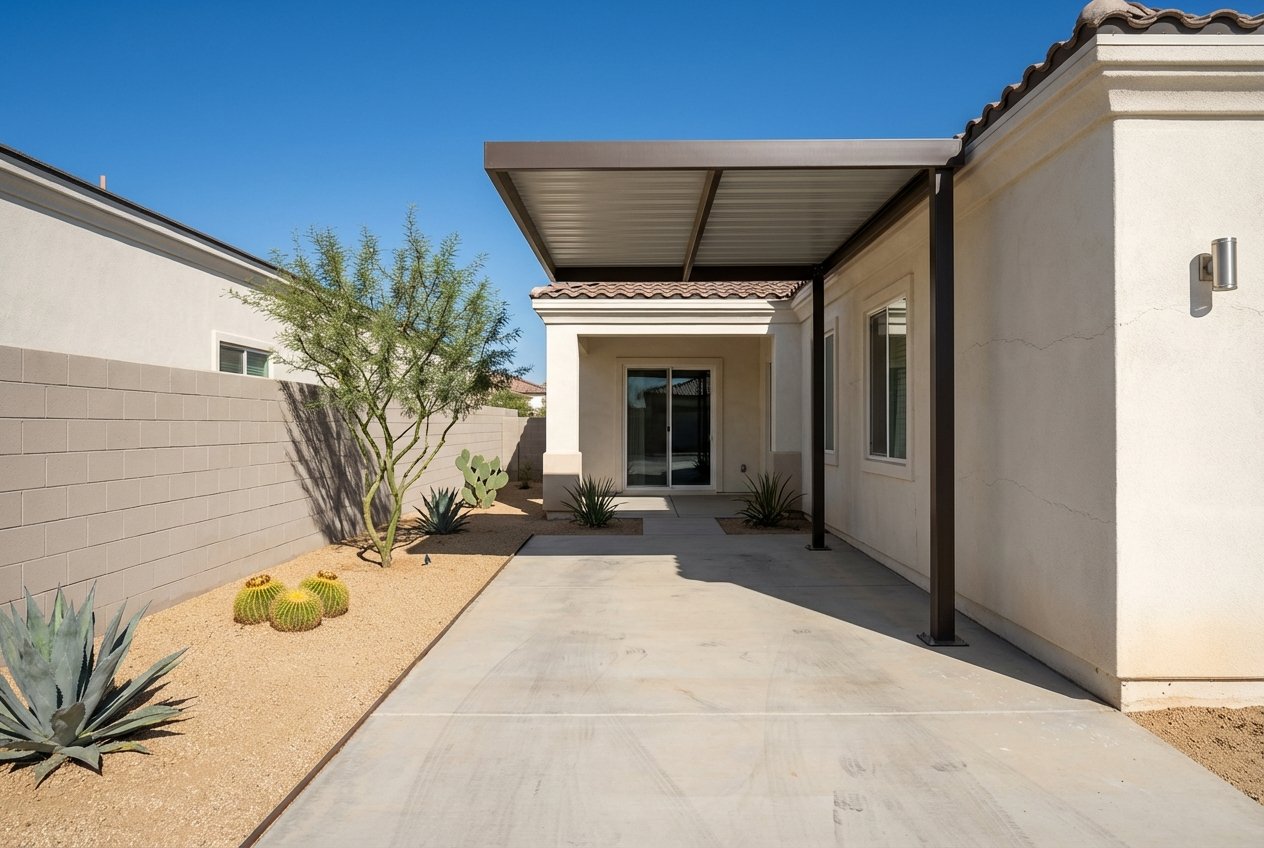
Most homes are single-story and built for desert living. You’ll often see stucco exteriors, tile or composition roofs, tile or concrete floors, and covered patios that extend your living space into the evening. Xeriscape landscaping, block privacy walls, and RV access or hookups are common selling points. In hotter months, in-ground pools can make a big difference in day-to-day comfort.
Lot sizes vary, and many properties highlight mountain views and wide side yards that fit trailers or toys. Because the Foothills are not an incorporated city, services differ from in-city neighborhoods. Many areas are car-dependent, so plan on driving for most errands.
If you are budgeting, start with the reference-level figures on Census QuickFacts, then check current pricing with a local market review before you make offers. Inventory, days on market, and sale prices can shift month to month, especially around the winter season.
Daily life, services, and commutes
You’ll find everyday conveniences along Fortuna Road and nearby corridors, but larger medical centers, hospital services, and big-box retail are typically in Yuma. From many Foothills neighborhoods, expect about a 20–30 minute drive to major services, depending on traffic and time of day. Highway access is straightforward via I-8 for regional trips.
MCAS Yuma and Yuma Proving Ground are major employers for local commuters. Shift schedules can shape traffic at certain hours, so test your route during the times you expect to travel. In winter, plan a little extra time for crowded tee boxes, restaurant waits, and busier parking lots.
Pros and tradeoffs
Why people choose the Foothills
- Mild, sunny winters perfect for golf and patio time
- Single-level living, shade structures, and many homes with RV access
- Active seasonal scene with leagues, clubs, and RV resort amenities
- Quick highway access, mountain views, and open desert nearby
What to plan around
- Very hot summers, with average highs often over 105°F in July and August, so daytime activity is limited, per Yuma climate averages
- Car-dependent neighborhoods, so most errands require a drive
- Seasonal winter crowds that can increase wait times and traffic
- An older housing mix where maintenance and lot presentation can vary by street
Move-in checklist for desert ease
- Cooling and shade plan: service the A/C, add sun screens or shade sails, and set up a misting line for the patio.
- Pool readiness: line up weekly service or DIY tools before May, and review safety covers and fencing.
- Landscaping: choose low-water plants, verify irrigation timers, and add gravel or rock for low upkeep.
- Monsoon prep: secure patio furniture, clean roof drains, and keep spare air filters and flashlights ready. Learn timing at the NWS monsoon guide.
- RV and toys: confirm gate clearances, power hookups, and storage rules for your lot or HOA.
- Off-road basics: carry permits where required and ride early in summer. Review local terrain via Visit Yuma’s off-road page.
- Commutes: test-drive routes to MCAS Yuma or YPG at your actual work hours.
- Winter bookings: reserve RV sites, tee times, and popular dinners well ahead of peak months.
Is Fortuna Foothills a fit for you?
If you want sun-soaked winters, simple single-story homes, golf and off-road options, and room for an RV, the Foothills make daily life easy. If you prefer walkable errands or mild summers, plan for more driving and a heat-smart schedule. With the right home features and a few seasonal habits, you can settle into a relaxed desert rhythm here.
Thinking about a move, a winter place, or selling a Foothills home? Let’s talk about timing, pricing, and the features that will matter most for your goals. Reach out to Cece Honaker for local guidance and a clear plan.
FAQs
What is the weather like year-round in Fortuna Foothills?
- Winters are mild with average highs in the low to mid-70s, spring warms quickly, and July–August average highs often exceed 105°F, according to Yuma climate averages.
Are most Fortuna Foothills residents seasonal or full-time?
- You’ll see both, with a large older-adult share living year-round and a significant winter visitor presence each season, per Census QuickFacts and Yuma Chamber estimates.
What types of homes are common in the Foothills?
- Mostly single-story stucco homes with tile or composition roofs, tile or concrete floors, covered patios, desert-friendly landscaping, and many properties that advertise RV access or hookups.
Is Fortuna Foothills a golf community?
- Golf is a major pastime with multiple nearby options, including the 18-hole Las Barrancas plus shorter courses and active winter leagues; see Las Barrancas Golf Course for details.
How far are medical and major services from the Foothills?
- Most larger medical centers and big-box retail are in Yuma, typically a 20–30 minute drive from many Foothills neighborhoods.
What should I know about monsoon season in southern Arizona?
- From early July to mid-September, expect higher humidity, afternoon storms, gusty winds, and occasional dust; plan outdoor time around forecasts and review the NWS monsoon guide.
Do many homes have RV parking or hookups?
- Many listings highlight RV gates, side-yard parking, or hookups, but features vary by property, so verify dimensions, utilities, and local rules during your home search.