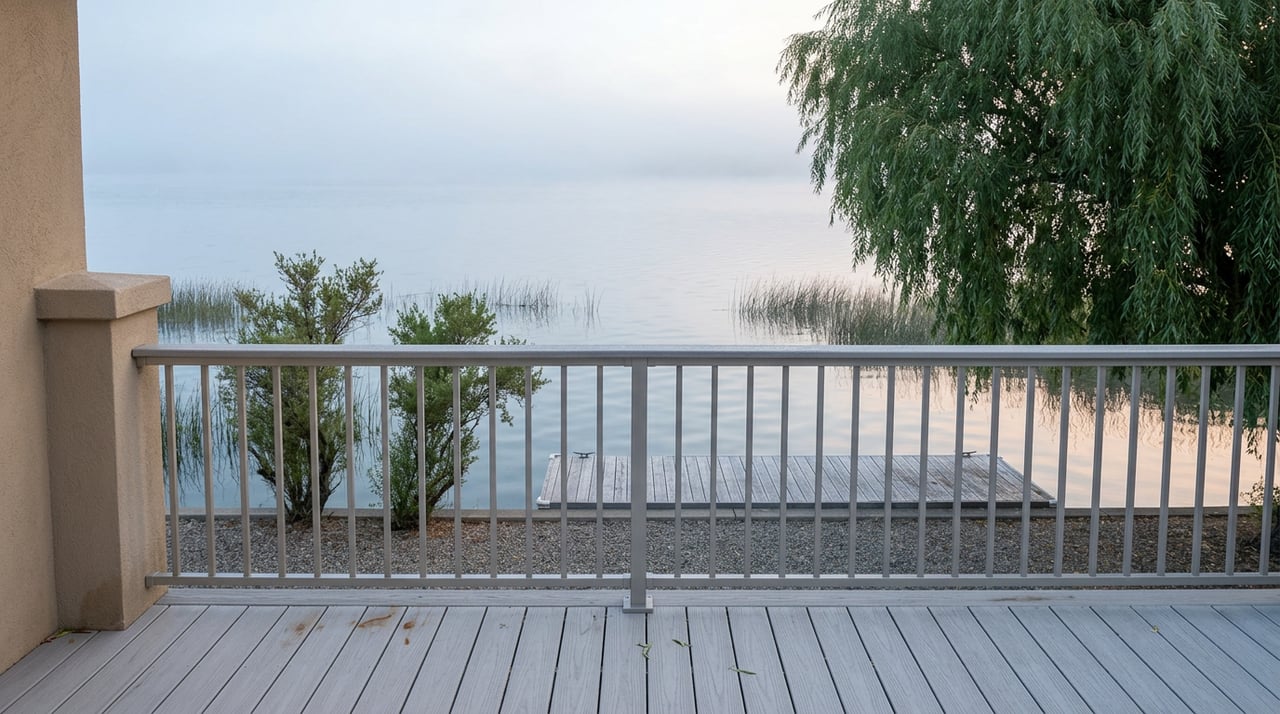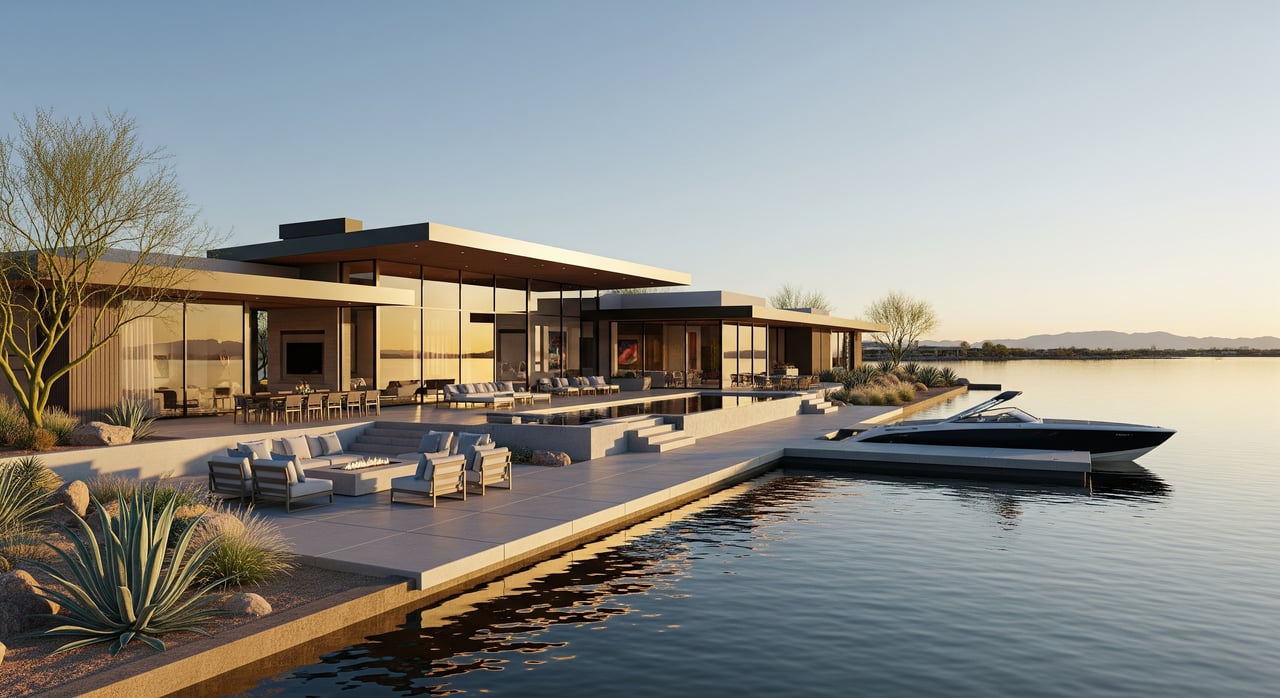
Picture glassy morning water, a fishing rod on the deck, and winter sunshine that makes you want to live outside. If you are drawn to a slower pace with big sky views and easy boat days, Martinez Lake might be your fit. You also want the full picture: how daily life works, what seasons feel like, and what to check before you buy. This guide gives you a clear, practical look at living on Martinez Lake so you can decide with confidence. Let’s dive in.
Martinez Lake at a glance
Martinez Lake sits along the Lower Colorado River in Yuma County near the Arizona–California border. It is a rural, unincorporated area, so county planning, permits, taxes, and public safety apply. Access runs off state highways that connect you back to Yuma for most major services. The setting blends desert, wetlands, and backwaters with a strong boating and fishing culture.
Weather and seasons
Mild, sunny winters
Winters are the sweet spot. Temperatures are comfortable, days are sunny, and the lake comes alive with seasonal residents and visiting boaters. Outdoor living, fishing, and social time on the docks all pick up from roughly November through March.
Very hot summers
From June through August, daytime highs often climb over 100°F. Many residents shift outdoor time to early mornings and evenings. Day visitors are common, but full-time lake life in summer centers on air conditioning, shade, and indoor breaks.
What that means for your routine
Expect a seasonal rhythm. Winter brings activity and social energy on the water. Summer rewards early risers and planners who stock up, hydrate, and time boat trips for cooler hours. If you thrive in sunshine and do not mind heat with good AC, the tradeoff can be worth it.
Boating, fishing, and wildlife
Everyday boating access
Boating is the heartbeat of Martinez Lake. You will see pontoons, fishing boats, jet skis, and small houseboats. Public and private launches serve the area, and some properties have private docks or slips. Follow speed zones and no‑wake areas near shorelines, and plan for safety with life jackets, sun protection, and enough fuel and supplies since services at the lake are limited.
Fishing highlights
Anglers target largemouth bass, channel and flathead catfish, and tilapia in warm backwaters. You may also find crappie and sunfish in suitable shoreline areas. Check Arizona Game and Fish Department resources for current regulations, bag limits, license rules, and seasonal advisories.
Birds and desert wildlife
Expect waterfowl and migratory birds in winter and typical desert and wetland species year-round. You may encounter snakes, insects, and mosquitoes depending on the season. Simple prep like closed-toe shoes, repellant, and careful storage of food and trash goes a long way.
Services and access
Groceries and medical care
Martinez Lake is rural, so immediate services are limited. Plan on driving to Yuma for groceries, household goods, restaurants, and major medical care. Emergency services respond from Yuma County resources, which means longer response times than urban neighborhoods.
Utilities and internet
Many properties rely on wells or a local water provider, and septic systems are common. Electricity is available from regional utilities, but some very rural parcels can have nonstandard arrangements. Internet and cellular coverage can be inconsistent, so verify provider options and speeds by address. If you need work‑from‑home reliability, confirm this early.
Waste, mail, and deliveries
Trash pickup and mail service are available but may be less frequent than in town. Confirm pickup schedules, mailbox locations, and how package deliveries are handled for your specific address.
Housing and ownership
Property types on the water
You will find a mix: year‑round single‑family homes with docks, manufactured or mobile homes on lots, seasonal cabins, RV setups for snowbirds, and some short‑term rentals where allowed. Pricing often reflects water access, dock rights, and how turnkey the property is for boating and outdoor living.
What to verify before you buy
Use this checklist to gather answers early in your search:
- Dock and shoreline rights. Confirm recorded parcel rights for docks or bulkheads and any required permits. Not all waterfront lots allow private docks.
- Floodplain status. Check FEMA flood maps and local designations. Flood insurance may be recommended or required by a lender.
- Septic and well. Verify permits, age, capacity, test history, and location. Budget for inspections and possible upgrades on older systems.
- Utilities. Identify the electric provider, meter location, easements, trash services, and any water provider details.
- Internet and cellular. Test signal strength and confirm available plans for fixed‑wireless, satellite, or rural cable/DSL options.
- Access and road maintenance. Learn whether roads are paved, county‑maintained, or private. Maintenance responsibilities affect costs and convenience.
- Zoning, permits, and CC&Rs. Review any HOA or community rules and county requirements for building, docks, and septic.
- Insurance and lending. Get quotes for homeowner and flood insurance. Ask lenders about criteria for manufactured homes or seasonal properties.
- Title items. Investigate recorded easements, access rights, and any water‑use agreements.
- Distance to services. Note typical drive times to emergency care, grocery, and pharmacy under normal traffic.
Risks and tradeoffs to weigh
Climate and energy use
Extreme summer heat raises cooling costs and limits midday outdoor time. Make sure your home has efficient AC, shade, and good insulation. Plan errands and lake time around early and late hours.
Water quality and maintenance
Warm, slow backwaters can see seasonal algal blooms, turbidity, and vegetation growth in hot months. Aquatic invasive species are an ongoing concern in the Colorado River system, so follow decontamination guidance for boats. Shorelines can shift over time due to sedimentation, which may affect dock usability and require regulated maintenance.
Noise, privacy, and crowding
Expect more boat traffic and wakes on winter weekends and holidays. Weekdays and summer can be very quiet, though the heat is intense. If you want a calm experience, plan your outings for off‑peak times.
Health and safety on the water
Sun, heat, and water reflectivity add up. Keep hydration, shade, and sunscreen on hand. Supervise children and non‑swimmers near docks and boats. Build in extra margin for travel and response times.
Daily life: a simple picture
A typical winter day might start with coffee on the deck and a quick run to a favorite cove for bass. Midday becomes a patio lunch and a neighborly chat at the launch. In summer, you may fish at sunrise, finish chores before noon, and relax indoors until a sunset cruise. Most residents plan a weekly stock‑up run to Yuma for groceries and errands.
Who loves Martinez Lake
- Boaters and anglers who want easy water access and a laid‑back vibe.
- Seasonal residents and second‑home buyers who chase sunshine and mild winters.
- Buyers who value privacy and do not mind a rural setting with fewer immediate services.
- Outdoor lovers who enjoy wildlife, big desert skies, and simple nights on the dock.
How to explore properties the smart way
- Walk the shoreline and dock at varying water levels, if possible.
- Get septic, well, and utility details in writing, including service providers and typical seasonal costs.
- Test internet and cellular on site. Run a video call to confirm reliability.
- Price insurance early, including flood, so you understand total cost of ownership.
- Review deed, plat, permits, and county records for dock rights and access.
- Visit in both winter and summer to experience the full seasonal rhythm.
When you are ready to compare specific homes, schedule a focused tour and bring your questions. If you want a local partner who knows Martinez Lake and the wider Yuma market, reach out to Cece Honaker. You will get straightforward guidance, fast communication, and a plan that fits your lifestyle and budget.
FAQs
Is Martinez Lake in the City of Yuma or unincorporated Yuma County?
- Martinez Lake is unincorporated, so Yuma County handles planning, permits, taxes, and public safety rather than a city government.
How hot does it get in summer and how do residents cope?
- Summer highs often exceed 100°F; residents plan outdoor time for early mornings and evenings and rely on strong air conditioning and shade in midday.
What fish can I catch and do I need a license?
- Common species include largemouth bass, channel and flathead catfish, tilapia, crappie, and sunfish; consult Arizona Game and Fish Department for licenses and regulations.
Can I have a private dock on a lakefront lot?
- It depends on the parcel; verify recorded rights, county permits, and any no‑wake or placement rules before you buy.
Do I need flood insurance for a Martinez Lake home?
- Check FEMA flood maps for the parcel; lenders may require flood insurance in mapped areas and it can be a prudent choice near the river.
What are the internet options at Martinez Lake?
- Coverage varies; options may include fixed‑wireless, satellite, or rural cable/DSL; confirm availability and speeds for the specific address.
Where are the nearest groceries and hospitals?
- Most residents drive to Yuma for groceries, pharmacies, and hospitals; plan for longer response times than urban areas for emergencies.
Are short‑term rentals allowed on Martinez Lake?
- Rules vary by parcel and area; check county zoning, permits, and any HOA or CC&Rs to confirm whether short‑term rentals are permitted.