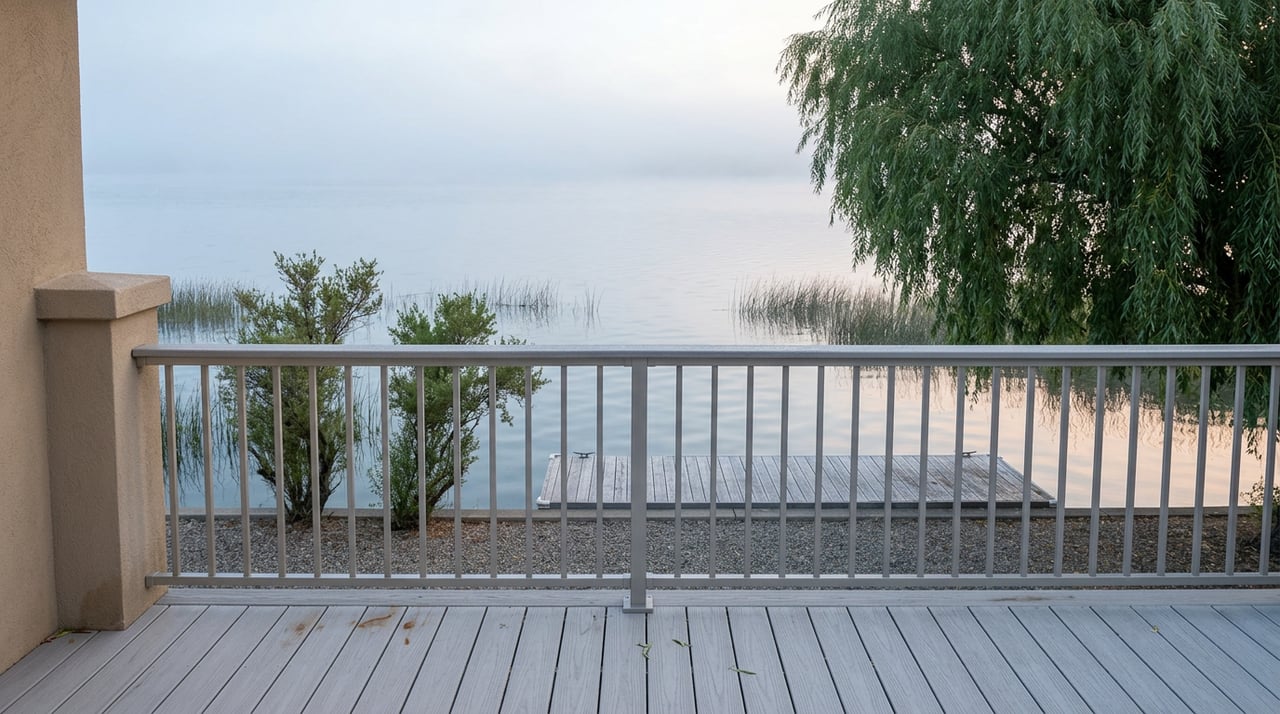
If you live on the water at Martinez Lake, you already know something changed on September 1. The boat ramp at Fisher's Landing has more out-of-state plates than usual, there's gunfire drifting across the water in the early morning hours, and the gas dock line at Martinez Lake Resort is longer than it was in August. Arizona's early dove season runs September 1 through September 15 this year, and hunters from as far as Southern California make the drive out every season to work the fields and washes around the Colorado River corridor.
Most residents treat this as a two-week disruption with a clean end date. Circle September 15 on the calendar, wait it out, and the neighborhood goes back to normal. That's the story everyone already knows, and it's only half true. The bigger change at Martinez Lake this fall isn't the hunters. It's a federal closure that takes effect two weeks after they leave, and it lasts five months.
The Part Everyone Already Sees
Dove season here isn't a local curiosity. Arizona's south zone, which includes Yuma County, draws hunters who treat opening weekend like a reunion. One hunter told a Yuma television station he's been making the trip for close to three decades, bringing his own family along now for the tradition. To hunt legally, adults need both a valid Arizona hunting license and a separate Arizona Migratory Bird Stamp, and licenses are available in person at the Arizona Game and Fish Yuma Regional Office.
For Martinez Lake specifically, the relevant ground isn't the lake surface itself so much as the agricultural fields and desert washes that fan out from the Gila Valley, south of Mittry Lake and accessible from the same Highway 95 corridor that residents use to reach the lake. If you live along Martinez Lake Road, you're sharing pavement with that traffic whether you hunt or not.
None of this is a secret. It's the version of the story a resident could get from a road sign, a neighbor, or the sound of shotguns at dawn. The part that catches people off guard happens after the hunters are gone.
What Actually Happens on October 1
Tucked inside the U.S. Fish and Wildlife Service's official hunting brochure for Imperial National Wildlife Refuge is a line most residents never read, because it's written for hunters, not homeowners: the west half of Martinez Lake and the north end of Ferguson Lake are closed to all public entry from October 1 through the last day of February. Not just closed to hunting. Closed to entry, period. No kayaking through, no fishing from shore, no wandering in on foot.
That closure runs from October 1, 2026 through February 28, 2027, five full months, and it covers water that residents use all summer for exactly the kind of quiet paddling and shoreline fishing the lake is known for. The refuge sits immediately north of Martinez Lake and manages roughly 55,000 acres fronting both banks of the Colorado River, and it's a documented wintering ground for Canada geese and a wide range of duck species. The closure dates line up with when those birds actually arrive, which suggests the rule exists to give wintering waterfowl water they won't share with boat traffic, even though the brochure itself doesn't spell out the reasoning.
Here's the part worth sitting with: this closure begins right as the neighborhood's population is climbing, not falling. Snowbirds return through the fall, Martinez Lake Resort's RV spaces and waterfront rentals fill back up, and the same corridor that emptied out during the brutal summer heat starts feeling like a small town again. The lake gets more residents and less lake at the same time.
| Date range | What's happening |
|---|---|
| Sept 1 - Sept 15, 2026 | Early dove season, hunter traffic on roads and access points |
| Sept 16 - Sept 30 | Quiet window, no seasonal restrictions in effect |
| Oct 1, 2026 - Feb 28, 2027 | West half of Martinez Lake and north end of Ferguson Lake closed to all public entry |
What Stays Open, and Who Notices
The closure only affects the west half of Martinez Lake and the north end of neighboring Ferguson Lake. It doesn't touch the main body of the lake, the boat launch and restaurant side near the fork in Martinez Lake Road, or Fisher's Landing. Most of what residents actually use day to day, the marina, the main channel, the dock slips, stays open through the winter.
What changes for the people who use the closed section:
- Kayakers and canoers who paddle the quieter west-side sloughs lose that route until March
- Shore anglers who fish the north end near Ferguson Lake need to relocate for five months
- Anyone hiking informally along that shoreline, rather than on the marked trails near the refuge visitor center, is now in a closed area regardless of intent
The refuge visitor center itself, reached via Red Cloud Mine Road off Martinez Lake Road, stays open and is the place to confirm current boundaries before heading out, since refuge maps aren't always intuitive about where the closed water actually starts.
There's a real irony buried in the timing. Arizona Game and Fish's own October fishing bulletins have noted for years that as water temperatures drop, fishing activity picks up, not slows down. Fall is genuinely one of the better stretches to be on Martinez Lake with a rod in hand. So residents get better fishing conditions and a smaller lake to fish in, in the same month.
A longtime guide who has worked these waters for four decades put it simply: the lake "hasn't changed much in four decades." He's right about the water. The rules around who can be on which part of it are a different story, and they reset every fall whether anyone's watching or not.
The Actual Rhythm of Fall Here
If you're new to the neighborhood, or you've lived here long enough to stop noticing the pattern, this is the real shape of September and October at Martinez Lake. The loud part comes first and ends fast: two weeks of hunters, boat traffic, and gunfire at dawn, done by September 15. The quiet part comes second and lasts all winter: a legal boundary drawn across part of the lake on October 1 that most people only discover when a kayak trip gets turned around at the water's edge.
Neither event shows up on a typical newcomer's radar. The dove season crowd is visible enough that residents adjust without thinking about it. The October closure is buried in a federal brochure written for hunters, and there's no sign posted at most access points warning boaters before they're already on the water. If you paddle, fish from shore, or explore the north side of Ferguson Lake as part of your routine, the useful move is marking October 1 the same way you'd mark the first day of dove season, because it changes what's actually available to you for the next five months.
That's the version of fall at Martinez Lake that doesn't make it into the general guides. Not the hunters. The line drawn after them.
If you're thinking about what it actually means to live on this stretch of water, year round, through every one of these seasonal shifts, Cece Honaker has spent years working this specific lake and knows which properties sit closer to the parts that stay open all winter. Curious what your place near Martinez Lake is worth in today's market? Get Your Home Value and start the conversation.