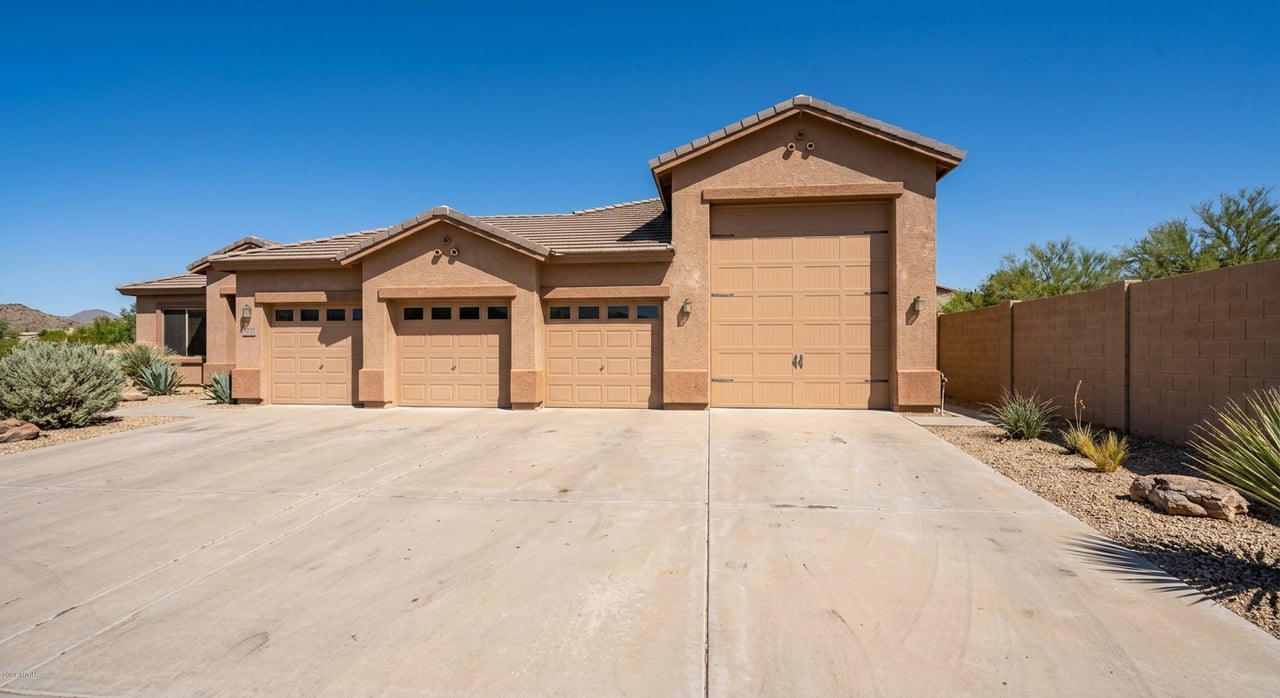
Are you looking for a place where your second home can feel easy, sunny, and ready for the lifestyle you actually want? If Fortuna Foothills is on your radar, you are not alone. This part of the Yuma area has long appealed to seasonal residents, especially people who want winter sunshine, space for vehicles or gear, and a practical home base for desert living. In this guide, you will learn what makes Fortuna Foothills a fit for second-home living, what to watch for in the housing stock, and how to think about day-to-day ownership. Let’s dive in.
Why Fortuna Foothills Works
Fortuna Foothills has a housing profile that lines up well with second-home use. The 2020 Census counted 27,776 residents here, and the 2019-2023 American Community Survey reported an owner-occupied rate of 82.3%. The same data showed that 46.1% of residents were age 65 or older.
Those numbers point to an owner-heavy area with a strong retirement and seasonal-living feel. In other words, you are looking at a place that is not built around a mostly rental pattern. That can matter if you want a neighborhood rhythm that feels stable and residential when you arrive for the season.
The broader Yuma area also has a very clear seasonal cycle. The City of Yuma says the seasonal population nearly doubles in winter, and local planning history describes the Foothills as a long-time winter-visitor area. That gives Fortuna Foothills a lifestyle pattern that many second-home buyers are specifically looking for.
Winter Is the Main Season
One of the biggest reasons people consider a second home in this area is the climate. Yuma promotes more than 310 days of sunshine each year, and the Arizona State Climate Office’s Yuma normals show just 3.28 inches of annual precipitation. January’s mean maximum temperature is 69.8°F, while July’s mean maximum reaches 106.7°F.
That tells you a lot about how to use a second home here. Winter is the comfortable season for being outside, hosting visitors, and getting out around town. Summer is a different story, with intense heat that changes how you plan for vacancy, maintenance, and utility use.
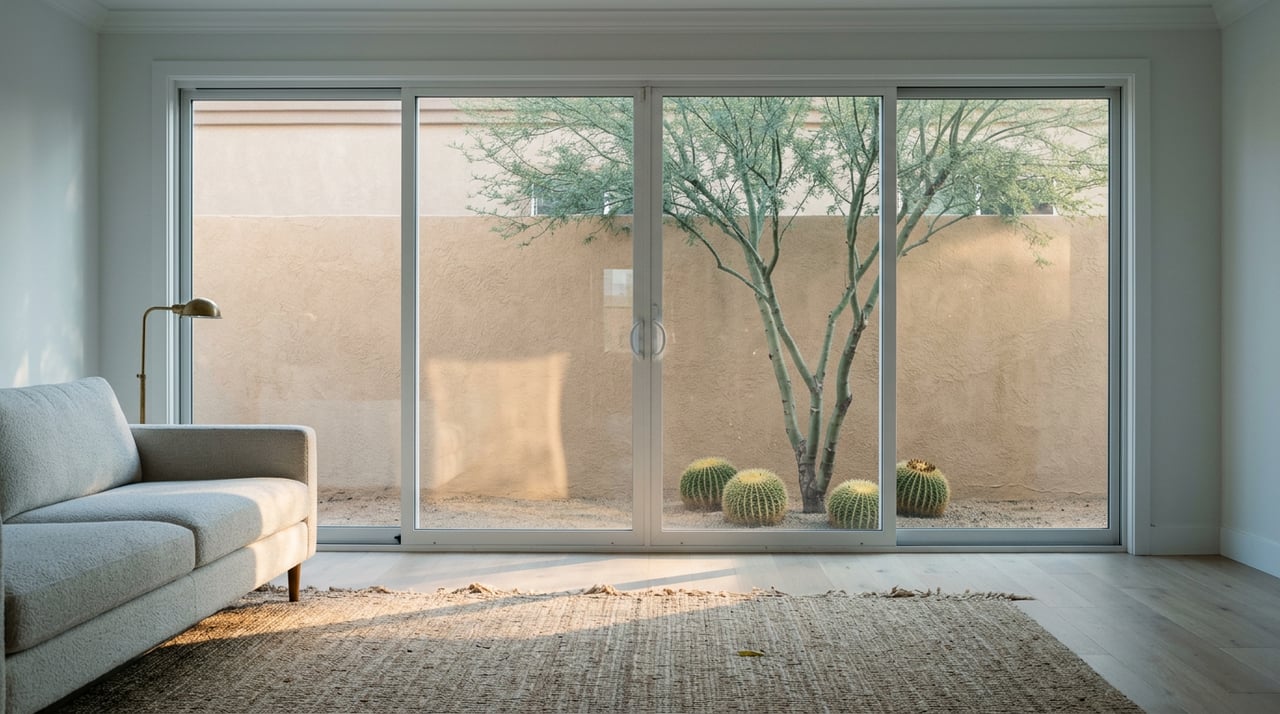
If you are buying with a lock-and-leave mindset, this climate should shape your checklist. Reliable HVAC, smart sun exposure, and low-water exterior upkeep matter here. Those features are not just nice extras in Fortuna Foothills. They support how the home functions when you are away and when temperatures rise.
What Lock-and-Leave Really Means
A second home should feel simple to manage when you leave town. In Fortuna Foothills, that usually means thinking beyond finishes and focusing on systems, visibility, and basic upkeep. The desert climate makes those practical details more important.
General home-security guidance recommends locking exterior and garage doors, using timed or motion-sensitive lights, trimming shrubs, keeping the yard visible, stopping mail and newspaper delivery, and asking a trusted neighbor to keep an eye on the property. For seasonal owners in Yuma County, those habits fit naturally with the local rhythm of longer summer absences.
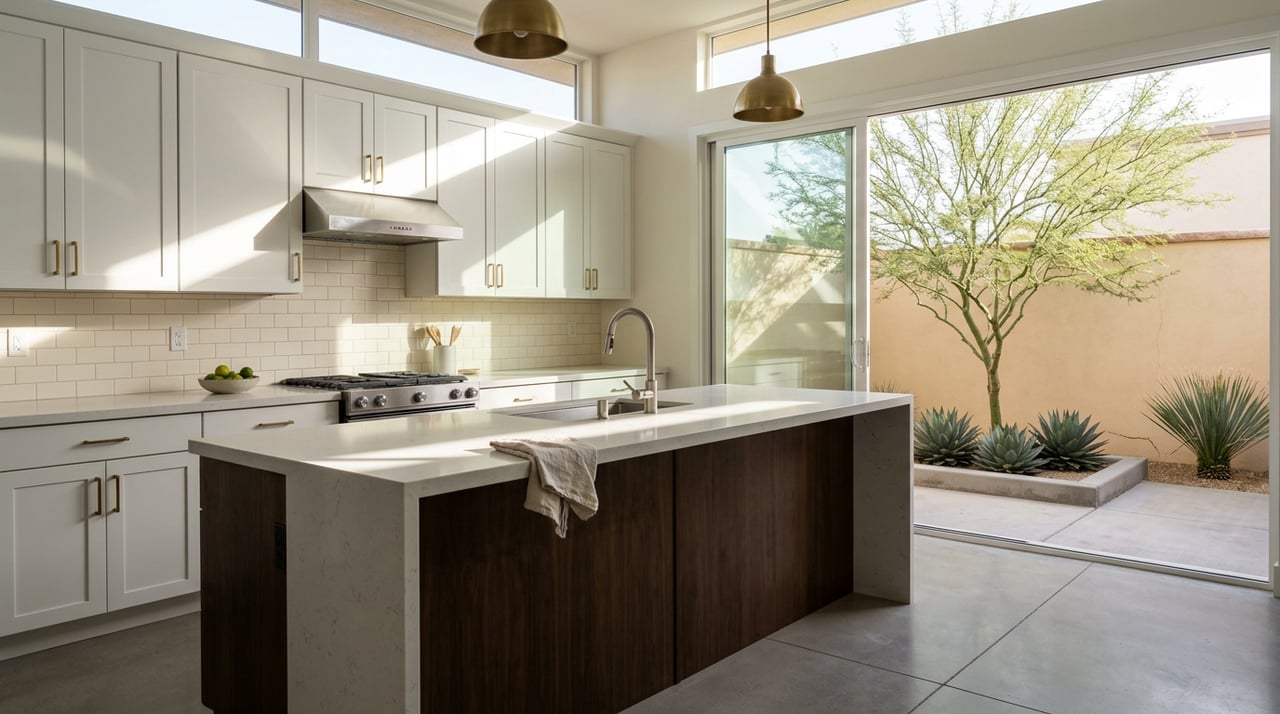
When you tour homes, it helps to think like an owner who may be away for stretches of time. Ask yourself whether the yard looks easy to maintain, whether the entry points feel secure, and whether the garage setup supports a smooth departure and return. A home that works well for second-home living often wins on convenience more than complexity.
Housing Types Matter Here
Fortuna Foothills has a housing mix shaped by its long history as a winter-visitor area. Yuma County zoning and assessment materials are very specific about the types of housing recognized locally, including mobile homes, manufactured homes, modular housing, recreational vehicles, and park models. Those categories are not interchangeable, and each fits into different county rules.
That matters if you are comparing properties at different price points or with different ownership goals. A property may look like a good seasonal fit on the surface, but the housing type can affect how the property is classified and how you think about future use. It is one more reason local guidance matters when you start narrowing your options.
Historically, the Foothills had a heavy mix of mobile-home and RV parks, with planning work noting that these once made up 75% of the sub-area’s housing before more site-built homes were added. Today, that history still shows up in the local feel. You will see a practical, seasonal-use mindset reflected in how lots are set up and how owners use outdoor space.
Garages, Carports, and RV Space
In many second-home markets, storage is a bonus. In Fortuna Foothills, it is often part of the lifestyle. Garage doors, covered parking, carports, RV gates, and side-yard access can carry real day-to-day value for seasonal owners.
Yuma County’s residential permit information shows that garage and carport construction or conversion is a permit-triggering project. The county also has specific rules for accessory RV storage. RV storage is not allowed unless the principal residential building is occupied, a stored RV cannot be occupied overnight, it may be placed only in the rear or side yard, it cannot use more than 30% of the rear yard, and it must stay at least three feet from side and rear lot lines.
For you as a buyer, the practical lesson is simple. If RV or toy storage is part of your plan, do not assume every lot works the same way. It is smart to look closely at the layout, the existing improvements, and whether the setup supports the way you want to use the property seasonally.
Daily Life Feels Practical and Outdoorsy
Fortuna Foothills is not trying to be an urban resort environment. Its appeal is more grounded and practical. Think of it as a warm-weather base camp with room to breathe, easy access to desert recreation, and a pace that suits seasonal living.
One of the most visible recreation draws is the Fortuna Foothills Offroad Recreational Area, located just off Highway 95 on Fortuna Road. Visit Yuma notes that people use it for dirt bikes, quads, side-by-sides, and sand rails, and that local residents help maintain the area and hold a yearly cleanup. That says a lot about the hands-on, outdoor-minded culture nearby.
If your second-home plans include bigger desert adventures, the Imperial Sand Dunes recreation area is another regional draw. The Bureau of Land Management describes it as the state’s largest mass of dunes, stretching more than 40 miles with dunes up to 300 feet high. Permits are required from October 1 through April 15.
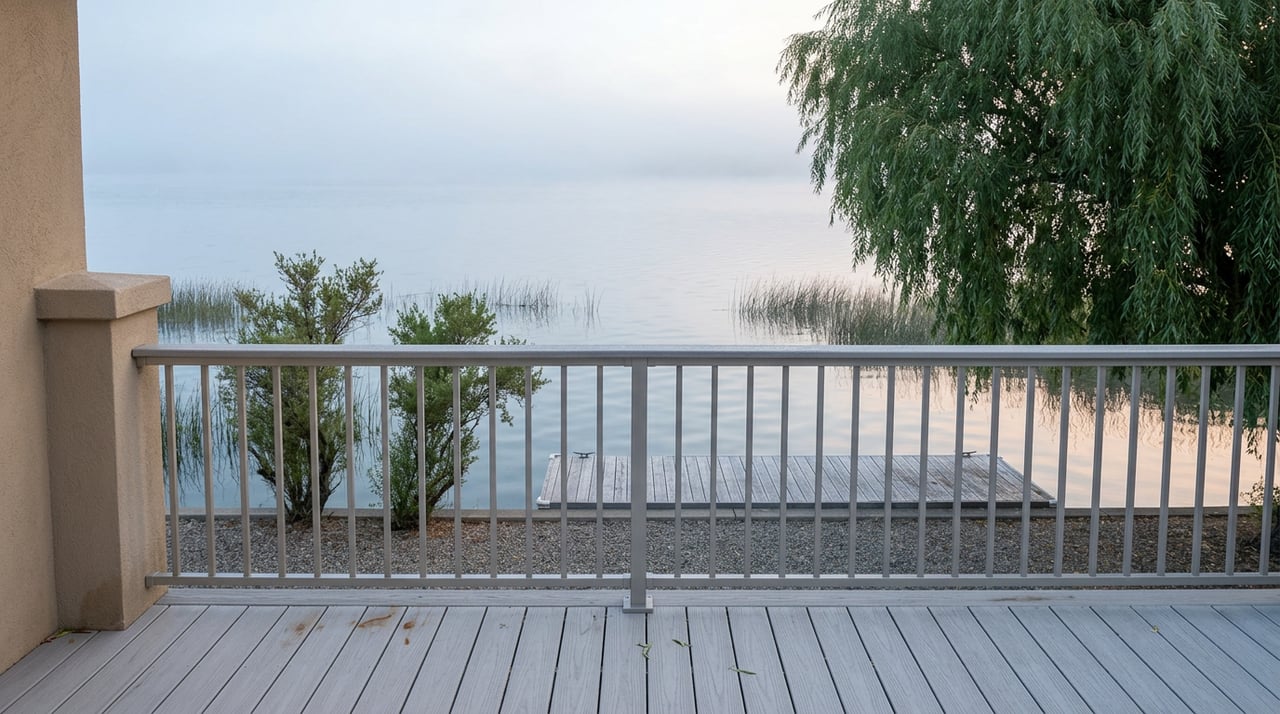
For quieter outings, Kofa National Wildlife Refuge sits about 40 miles north of Yuma and offers wildlife observation, backpacking, hunting, and photography. Imperial National Wildlife Refuge adds fishing and river recreation, with year-round fishing on Martinez Lake, Clear Lake, Island Lake, Adobe Lake, and the lower Colorado River. If your ideal second home supports both laid-back days and active weekends, this area gives you options.
What to Prioritize When Buying
If you are serious about second-home living in Fortuna Foothills, it helps to focus on function first. The right property is usually the one that fits your seasonal routine with the fewest headaches. That can look different for each buyer, but a few priorities tend to stand out.
Look for heat-ready features
Summer heat in Yuma County is a serious health and maintenance issue. A home with dependable cooling, good shade, and manageable exterior materials can be easier to own long term. Even if you plan to spend most of your time here in winter, the property still has to perform in summer.
Check parking and storage early
If you have an RV, trailer, off-road vehicle, or multiple cars, make that part of your search from day one. In this area, parking setup is not a minor detail. It can shape how comfortable and practical the home feels every season.
Think about upkeep, not just looks
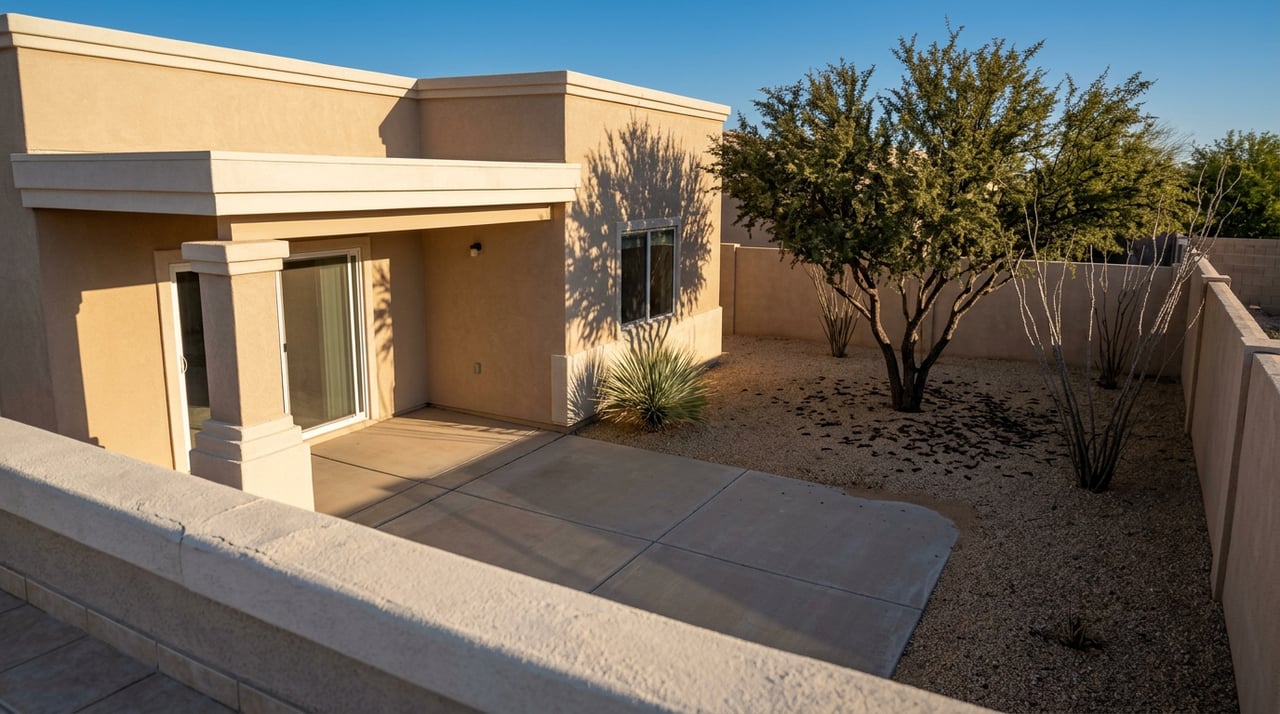
A clean, simple lot can be a real advantage for seasonal ownership. Gravel landscaping, visible entry points, and uncluttered outdoor areas often support easier lock-and-leave use. In Fortuna Foothills, low-fuss design usually works in your favor.
Match the home to your routine
Some buyers want a winter retreat with space for guests. Others want a desert base near off-road recreation or a property that makes travel in and out easy. The best fit comes from being clear about how you will actually live in the home, not just how it looks on the first tour.
Why Local Guidance Helps
Second-home buying is rarely just about square footage. In Fortuna Foothills, the details that matter most are often local ones, like housing type, seasonal use patterns, parking setup, and how a property handles heat and vacancy. Those details can change the ownership experience in a big way.
That is where a local, hands-on approach can make the process smoother. When you work with someone who knows the Foothills and the wider Yuma market, you can spend less time guessing and more time focusing on homes that truly fit your goals. For second-home buyers, that kind of clarity is valuable from the start.
If you are exploring second-home living in Fortuna Foothills, Cece Honaker can help you compare options, understand the local market feel, and find a property that fits the way you want to live in Yuma.
FAQs
What makes Fortuna Foothills appealing for second-home buyers?
- Fortuna Foothills has an owner-heavy housing profile, a strong seasonal-living pattern, winter-friendly weather, and a practical lifestyle that supports part-time use.
What should buyers know about Fortuna Foothills weather for second-home ownership?
- Yuma has more than 310 days of sunshine each year, mild winter highs, and extreme summer heat, so buyers should pay close attention to HVAC, shade, and low-upkeep exterior features.
Why do garages and RV storage matter in Fortuna Foothills?
- Many seasonal owners use garages, carports, and RV space as part of daily living, and Yuma County has specific rules about RV storage placement and use on residential lots.
What kinds of homes are common in Fortuna Foothills?
- The area includes a mix shaped by its winter-visitor history, including mobile homes, manufactured homes, park models, RV-related housing patterns, and more site-built homes added over time.
What is the lifestyle like near Fortuna Foothills for seasonal residents?
- The area offers a practical desert lifestyle with access to off-road recreation, dune areas, wildlife refuges, fishing, and winter outdoor activity rather than a dense resort setting.