Waking up to fairway views in the desert sun sounds pretty great, but is Mesa del Sol the right fit for you? If you are weighing lifestyle, budget, and the fine print, you are not alone. In this guide, you will learn what golf course living looks like here, how HOA rules and costs work, what influences prices, and the smart steps to take before you buy. Let’s dive in.
Why Mesa del Sol stands out
Public Arnold Palmer course and daily access
Mesa Del Sol Golf Club is a public, daily-fee 18-hole course that markets an Arnold Palmer design, a practice facility, and a clubhouse with dining and a pro shop. The club offers annual and 6‑month pass options for individuals and families, which can be a perk if you plan to play often. Because the course is public, you do not need a private club membership to enjoy golf-side living, and visiting friends can book tee times without member sponsorship. You can review course details and pass structure on the club’s site at the Mesa Del Sol Golf Club page.
Location and nearby golf options
Mesa del Sol sits on the east side of the Yuma metro in the Fortuna Foothills corridor, often associated with zip code 85367. You are roughly a 15 to 25 minute drive from central Yuma or the airport depending on traffic and origin within the neighborhood. If you like variety, nearby options include Las Barrancas in the Foothills area and city-operated courses such as Desert Hills, with a private alternative at Yuma Golf & Country Club. Explore a local alternative at Las Barrancas Golf Club.
What on-course living looks like
You will find both on‑course frontage homes that back to fairways or greens and interior homes set away from active play. Direct frontage gives you fairway views and easy spectator seating from the patio. Interior lots often trade that for lower exposure to carts and early‑morning maintenance, sometimes with foothill views instead. Housing options range from compact condos and townhomes that overlook the course to single‑family homes on fairway lots.
Home styles and typical features
Condos and townhomes
Many condos and townhomes trace to the 1980s and 1990s, with floor plans roughly 700 to 1,400 square feet. Expect stucco exteriors, tile roofs, and covered patios designed for shade. Communities often include shared amenities like pools and maintained landscaping. These properties can offer an approachable entry point to golf-side living with simpler upkeep.
Single‑family homes
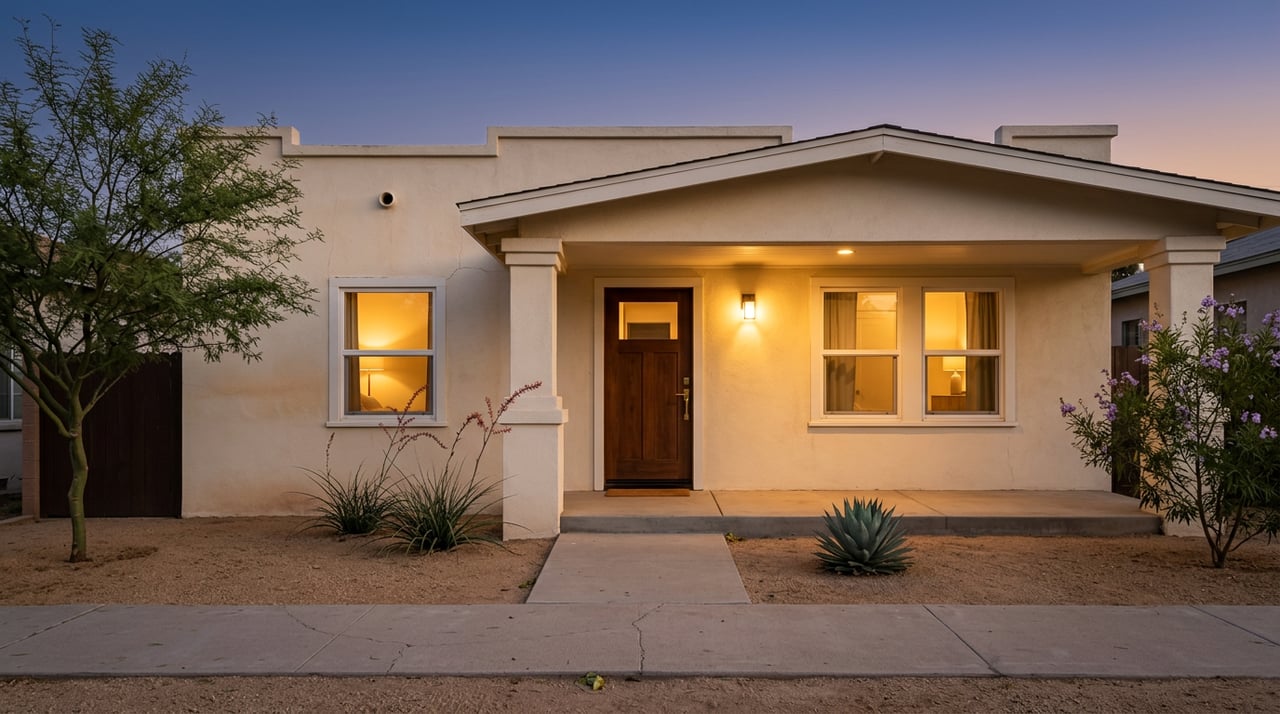
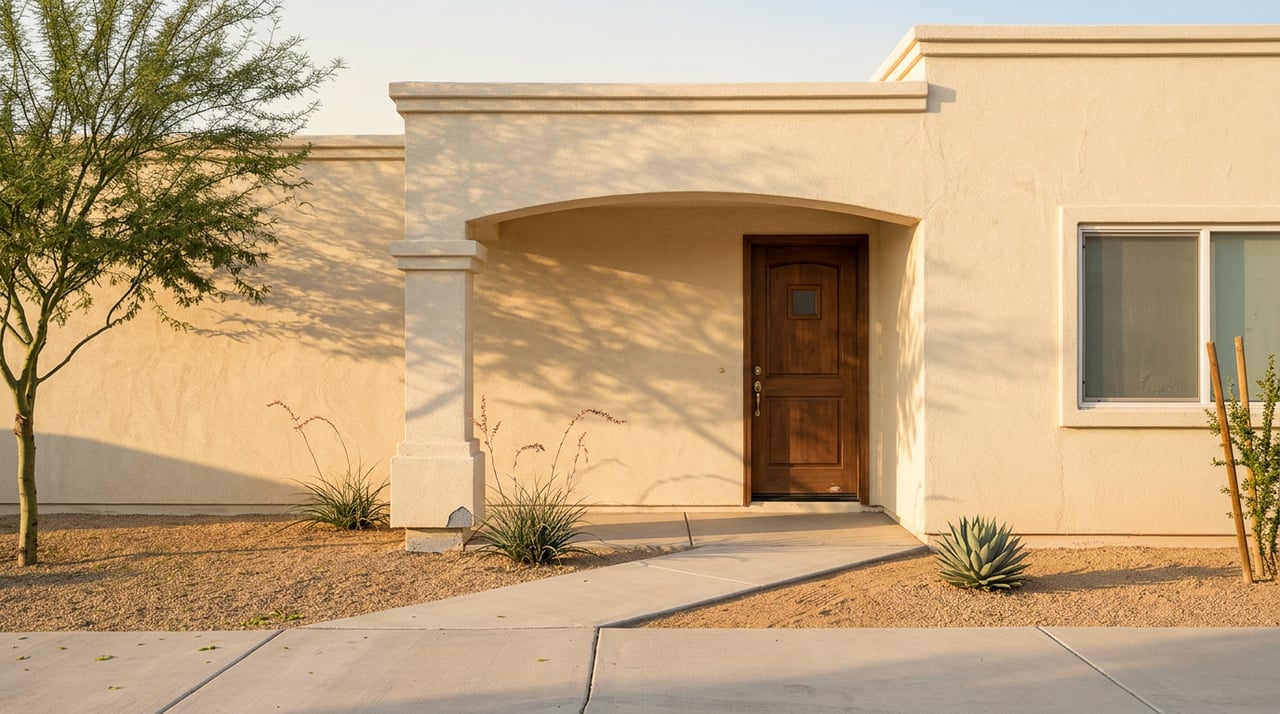
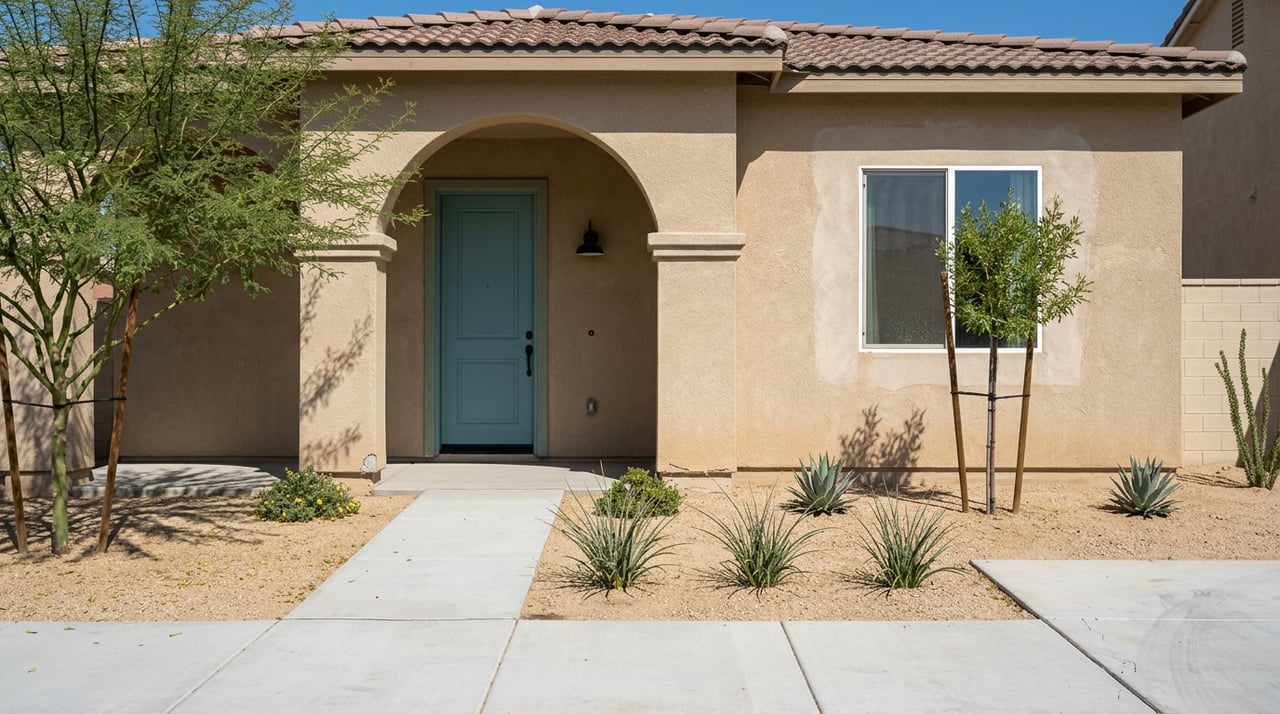
Single‑family homes commonly run 1,300 to 2,200 square feet, with some larger homes on premium lots. Most are single story with stucco, tile roofs, and low-water landscaping. Covered patios and screened Arizona rooms are popular for outdoor living without high maintenance.
Ownership, CC&Rs, and dues
How the POA and sub‑associations work
Mesa del Sol has a community Property Owners Association that publishes recorded CC&Rs and resources for many sub‑neighborhoods. The POA collects a small annual membership fee noted on its site, and many sub‑associations have their own rules and fee schedules. Before you write an offer, pull the exact CC&Rs, bylaws, and budget for the lot you are considering from the Mesa del Sol POA resources.
CC&R themes to review
Restrictions vary by plat, but common themes include residential use only, height limits, fence and wall rules, minimum floor area on some plats, ARC approval for changes, and limits on temporary structures and signage. These documents are recorded and public. For example, you can review a recorded set of covenants for Mesa Del Sol No. 1 in this CC&R example PDF. Always verify the specific rules for your sub‑association.
What HOA fees often cover
Dues vary significantly based on product type and sub‑association. Condo and townhome associations often cover exterior landscaping and common areas, pool and clubhouse upkeep, and trash or some utilities. Single‑family subdivisions may cover corridor landscaping, signage, and architectural review, or keep dues minimal. Ask for the current-year budget and any reserve study or recent meeting minutes to check for planned assessments or major projects.
Pricing and the golf premium
Neighborhood vs city snapshot
Public snapshots show Mesa del Sol’s median listing price trending in the mid‑$300Ks, while recent city‑level medians for Yuma have been around the low‑$300Ks. That gap suggests a neighborhood premium, though it blends on‑course and interior homes and reflects listing rather than closed prices. Treat these as rough context, not a valuation.
What affects premiums locally
Industry guidance often cites an average premium near 15 percent for direct golf‑front homes, but results vary by market, lot, and course quality. That figure is a general industry reference, not a rule. Premiums depend on whether a home fronts a fairway, the view corridor, noise exposure, updates, lot orientation, and the condition of the course. For background on typical golf‑front premiums reported by industry groups, review this industry summary on golf real estate premiums.
How to price your target home
To estimate a specific premium in Mesa del Sol, separate direct golf‑front sales from interior comparables in the last 12 to 24 months. Adjust for beds, baths, size, lot, condition, and view. A paired or adjusted‑comp approach is standard. If you want a clean, decision-ready analysis before you tour, ask for a neighborhood‑specific comparative market analysis that isolates frontage versus interior sales.
Daily life on the fairway: perks and tradeoffs
Perks you will notice
- Desert views with green fairways and foothills beyond.
- Easy access to daily-fee golf and practice facilities.
- Social opportunities tied to the course calendar and clubhouse.
- Low-upkeep living in many sub‑associations with common‑area care.
Practical tradeoffs to plan for
- Early‑morning maintenance and carts may be audible if you back to play.
- Stray golf balls are a real possibility on certain holes and angles.
- Privacy varies by lot location and landscaping options in the CC&Rs.
- Desert courses use irrigation, and water‑efficiency practices can vary.
If you are concerned about insurance for golf ball damage or liability, talk with your carrier and consider this quick primer on golf ball damage coverage. For environmental questions, Mesa del Sol has participated in an irrigation efficiency trial, which you can use as a starting point for questions about sources and practices. See the company’s note on the irrigation efficiency trial, then ask the club directly for current details.
Smart buyer due‑diligence checklist
Before you commit, gather and verify these items:
- Exact lot status and map. Confirm whether your lot fronts the course or is interior by pulling the recorded plat or map and legal description. A recorded example is in the Mesa Del Sol No. 1 CC&R PDF.
- CC&Rs, bylaws, budget, and minutes. Retrieve your sub‑association’s documents and any reserve study from the POA resource page. Look for rules on landscaping, fences, rentals, and upcoming projects.
- Club access and pass options. Confirm current daily fees, pass pricing, and any resident programs. Start with the Mesa Del Sol Golf Club information.
- Course condition and longevity. Ask about recent capital projects, ownership stability, and maintenance schedules. Course closures in other markets have shown measurable impacts on nearby values, so it pays to ask. Here is a primer on value impacts from course status changes.
- Insurance coverage. Check how your policy treats golf ball damage to structures, deductibles, and any endorsements for on‑course homes. A quick overview is in this insurance article.
- Environmental and water details. Ask the club about irrigation sources and pesticide schedules. Use the irrigation trial note as a reference point for your questions.
- Annexation or service boundaries. Confirm whether your lot is inside city limits or in unincorporated county. Historical requests to annex parts of Mesa del Sol have been reported and could affect services and taxes. See background on annexation requests.
Resident access, passes, and social life
How residents use the club
Because Mesa Del Sol is a public, daily‑fee course, you and your guests can book tee times without a member gate. Frequent players often choose an annual or seasonal pass, which can add up to meaningful savings and a built‑in social calendar through league play, clinics, and events. Review current offerings on the club’s golf page.
Where to play when you want variety
If you like a rotation, Las Barrancas in the Foothills provides an alternative layout, and city courses like Desert Hills round out seasonal options. Private club seekers can look to Yuma Golf & Country Club. Having these choices nearby helps you keep play fresh and compare course conditions season by season. Explore Foothills variety at Las Barrancas.
Is Mesa del Sol right for you?
If you want green views in a desert setting, easy tee time access, and single‑story homes with low‑water landscapes, Mesa del Sol delivers. If you value quiet mornings or are sensitive to cart traffic and maintenance schedules, focus your search on interior lots with strong mountain views or frontage set back from landing zones. Either way, the key is verifying the exact sub‑association rules and costs, understanding the golf premium for your specific lot and plan, and confirming course conditions and access.
Ready to compare on‑course versus interior options and get a clean set of comps before you tour? Let’s put the pieces together so you can buy with confidence in Mesa del Sol.
Looking for a local guide who knows Mesa del Sol, the Foothills, and Yuma’s micro‑markets inside and out? Reach out to Cece Honaker for neighborhood‑specific comps, CC&R guidance, and a smooth path to your golf‑view home.
FAQs
What is Mesa Del Sol Golf Club and is it private?
- It is a public, daily‑fee 18‑hole course with a practice facility, clubhouse dining, and pass options, so you do not need a private membership to play. See the club’s overview.
How far is Mesa del Sol from central Yuma and the airport?
- It is roughly a 15 to 25 minute drive depending on your exact location within the neighborhood and traffic along the Fortuna Foothills corridor.
What are typical HOA dues in Mesa del Sol?
- Dues vary widely by sub‑association and property type. The community POA lists resources and a small annual POA membership, but each sub‑association sets its own budget. Check the POA resource page.
Do homes on the course cost more in Mesa del Sol?
- Many markets show a positive premium for direct golf‑front homes, with industry guidance around 15 percent as a general reference, but local premiums depend on comps. See this industry summary and request a comp set.
What should I ask the golf club before I buy in Mesa del Sol?
- Confirm current fees and pass options, course maintenance schedules, recent capital projects, and ownership stability. Start with the club’s golf page.
How do stray golf balls affect insurance for on‑course homes?
- Many carriers cover accidental damage, but coverage details and deductibles vary. Ask your insurer and review this golf ball damage primer.
Are there water or chemical concerns near desert courses like Mesa del Sol?
- Course irrigation and pesticide practices vary. Mesa del Sol has participated in an irrigation efficiency trial; use that as a starting point and ask the club for current details. Reference the trial note.
Is Mesa del Sol inside Yuma city limits?
- Parts of the area have been discussed for annexation at times. Verify the current boundary for the parcel you are considering and review past annexation requests.